


Lessons from the Garden for Values-Aligned AI Use
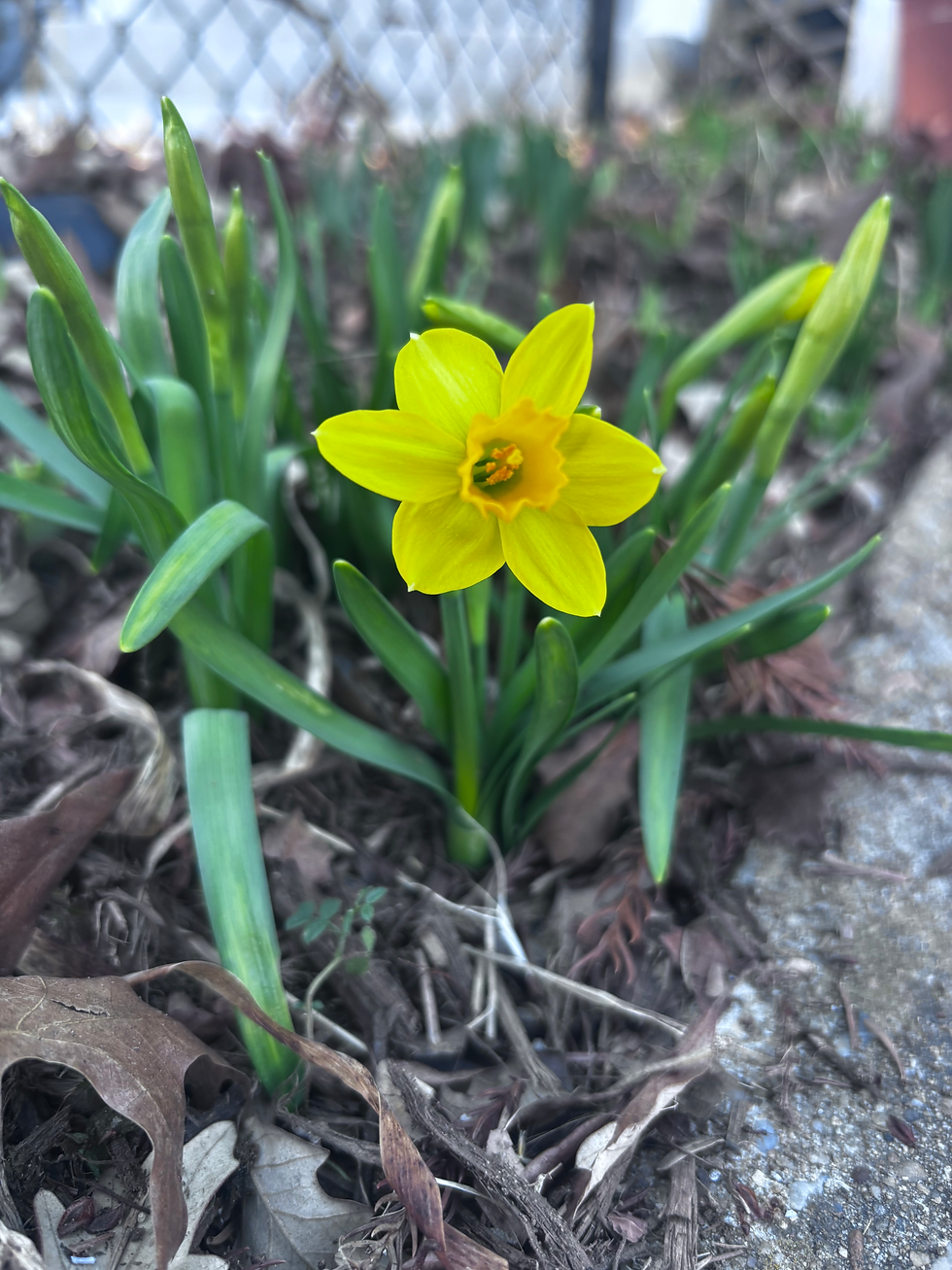
As we finally hit Spring in DC and the daffodils and tulips and cherry blossoms emerge, I’m diving back into my garden. I’m growing old favorites like cosmos, zinnias, dahlias, peas, and cucumbers. For the first time, I’m trying to grow nasturtium, beets, and zucchini from seed. Each one requires paying attention to the conditions, care, and environment in which it thrives.
Like plants, we all have unique needs that allow us to thrive. This lesson is front and center as we face critical questions about the ways we’re using generative AI, especially in balancing speed and efficiency with an understanding of what’s at risk to ourselves and society. I’ve been thinking about this a lot in the context of my recruiting work and the opportunities and risks AI poses to my values in this work and my income.
One of the things I most pride myself on in my work is that I aim to pour care and respect into every relationship - whether it’s a client, candidate, or other contact. That means appreciating what they need and what feels best to them as they navigate an anxiety-filled hiring process. It seems to me that by hurriedly adopting AI tools in recruiting, we risk losing this care and become untethered from our values and what we need to thrive.
Even now, in reviewing hundreds of applications, it’s easy to forget the human investment of time, energy, and emotion that went into creating it. I remember what it’s like to be on that side of the process, and it's part of my ethos to take every application seriously, even if the result is to say, "I see you and I appreciate you, even if this isn’t the right fit”. One of my (many) worries is that AI takes us further from that human connection. While the questions I have about AI go much deeper and broader, for my work, much of my concern is centered in how we maintain a focus on the unique care we all need to thrive, much like the seedlings in my garden.
You likely have many of the same worries, so here’s the part I hope will be helpful. Because I’m a technology skeptic and worrier, I wanted someone to push me and call me on my AI blind spots. I also want to be clear in communicating the value of my practice from AI systems in recruitment. And if possible, I wanted to help set an example of what it might look like to use AI in recruitment in caring, compassionate, and people-focused ways. To do this, I reached out to Hilary Cherner at BrightWorks AI, where they are building a practice to support mission-driven organizatio
ns in using AI in human-centered ways.
Hilary and I worked through three sessions together. We started with a deep focus and care to clarify my vision and values. Then we turned to naming the macro- and micro- risks that AI presents to those values and the commitments I can make to mitigate them as much as possible. We then looked at ways AI could be helpful AND align with my values to actually increase my time and focus on humans in my work.

This process felt a little like planting my garden: thoughtful and attentive, and ultimately a guide more than instructions! I found that I’ve been using AI in ways that generally align with my values: editing some of my writing, checking myself on things I might be missing, and as a starting place on things like research in a field. I also discovered other areas I could use it for but need more development, like designing social media posts to announce new searches. It helped me to be open to new possibilities for using generative AI in values-aligned ways and to understand what are the threats to my values that I have control over and the ones that I don’t.
While more explicitly articulated here, my values that felt most at risk from AI fall around my commitments to equity, gratitude, warmth, and transparency. I am deeply concerned about the bias that we can not examine opaquely buried in AI’s code, and have no idea where potentially sensitive data about people goes once it's in the system. I hear from candidates all the time about the confusion and lack of respect they feel when “the bots” reject their applications, and certainly, the computer does not appreciate the hope or dreams that are reflected in someone submitting their materials. Looking at these values lined up to some of these threats helped me get clear on what conditions I can control for in my practice, and - like in the garden - the ones that are uncontrollable.
Most importantly, this process allowed me to be clear on my commitments in using generative AI, even as the AI tools rapidly evolve:
Our Commitment to AI (My deep gratitude to Hilary for helping me articulate these commitments.)
We acknowledge that the world is moving towards extensive integration of AI, and we are committed to doing all we can to use it in ways aligned with our values and vision. We believe deeply in human-centered work and processes, and lay out these commitments for our use of AI:
We will be purposeful about using it in ways that align with our values.
We will never share people's names, organizations, or identifying information into generative AI in ways that might put their information at risk.
We will never use AI as a judge or assessment tool — including for candidate applications — recognizing there is no transparency in its potential biases or assumptions. We encourage candidates to show up as their best human selves as well (while I don’t discourage use of AI in applications, I encourage reflection about potential fit, something that AI’s sycophantic tendencies are particularly ineffective at supporting).
We will be transparent in our framework for where we use AI.
We will seek consent when our AI usage impacts others.
We strive to research and use tools that do the least harm.
These commitments don’t answer the biggest concerns that I know many of you share, like: How are we preparing ourselves and our society for this unprecedented change? OR How can we understand the impact on our human dignity? OR What additional harm will this huge expansion in energy usage do to the planet? But by moving through this process, we clarified that while these are worries and fears, they aren’t ones I can ultimately impact.
Instead, I was reminded about what the garden teaches every year: that I will do all I can to help the people and beings around me to thrive and grow, respect their unique beauty and needs, and share that commitment and care with the world around me. I only hope that those with greater power than I - the developers, the tech CEOs, the policymakers - will remember that lesson as well.

Hopefully sharing my learning and commitments will allow me to connect with others trying to do the same thing, so together we can model the world we want to live in – one that is grounded in the deep respect and appreciation for the dignity and beauty of beings, whether they are humans navigating an uncertain job market, the candidates who let themselves hope, or the seedlings pushing toward the light.
Thank you for being in this journey with me, and reach out if this resonates or you have any thoughts to share!
*As part of my learning and curiosity in this work, I asked Claude to write this blog post for me. I was surprised by how disturbingly beautiful it was – if a little weird, at times. I may ultimately pull some of this language into my vision, values, and commitments, but for now, they are just me. You’re welcome to check out Claude’s post here!


Comments